


●●●
You're sure to find the color you're looking for!
Garnet is characterized by its wide range of colors.
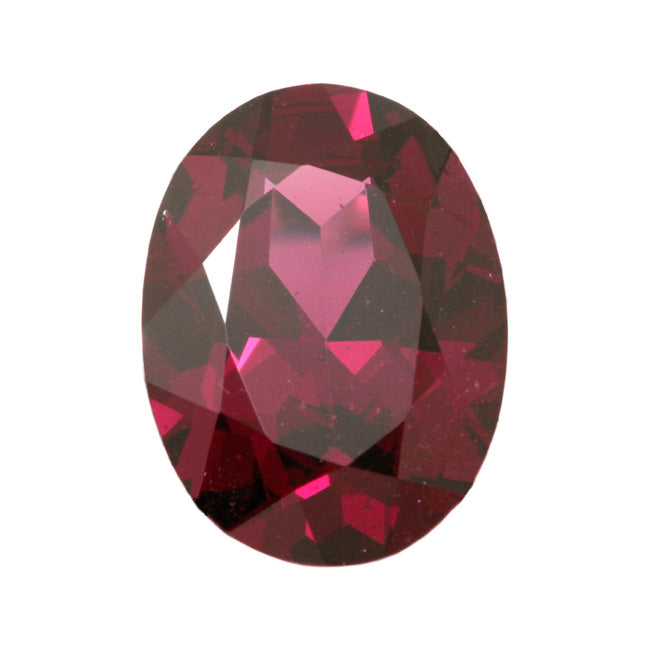
●●●
| Gemstone name | garnet |
|---|---|
| Mineral name | Garnet (group name) |
| Japanese name | Garnet |
| Origin of the name | The name comes from its resemblance to the shape and color of pomegranate seeds. |
| color | Red to purple to orange to green to yellow |
| Mohs hardness | 6.5-7.5 |
| Place of origin | India, Sri Lanka, Tanzania, etc. |
| Stone meanings | Victory, Truth, Chastity, Friendship, Loyalty |
| effect | A symbol of abundance, a stone that protects chastity, and a token of friendship. |
| Maintenance | Wash gently with a soft brush in lukewarm water with a mild detergent/Ultrasonic cleaning |
| others | Garnet comes in many varieties and has numerous names, including demantoid, spessartine, and rhodolite. Color-changing garnets, which change color depending on the light source, are also fascinating. |
Many people probably associate garnets with the color red, right?
In fact, garnets come in a wide variety of colors and have many different names. So, if you want to wear your birthstone but prefer something other than red, don't worry!
Garnet is a prime example of a gemstone that comes in many colors.You're sure to find a color you like.
▼Click here to learn more about other birthstones
Index
garnet
Characteristics of Garnet
Garnet is not the name of a single mineral stone,"Group name"is.
Garnet comes in a variety of colors besides red, including purple, orange, and green, with over 20 different types existing. It is a mineral with a glass-like luster, and those with transparency and deep colors tend to be preferred.
It is produced not only in Asia and Africa, but also in the Americas.
Although not widely known, garnet can sometimes be found as an inclusion in diamonds. While diamonds without inclusions are generally preferred, a beautiful red garnet inclusion that can be seen with the naked eye is popular among collectors and increases the diamond's value.
Below is a summary of some representative garnets; please use it as a reference.


Garnet comes in a variety of colors besides red, including purple, orange, and green, with over 20 different types existing. It is a mineral with a glass-like luster, and those with transparency and deep colors tend to be preferred.
It is produced not only in Asia and Africa, but also in the Americas.
Although not widely known, garnet can sometimes be found as an inclusion in diamonds. While diamonds without inclusions are generally preferred, a beautiful red garnet inclusion that can be seen with the naked eye is popular among collectors and increases the diamond's value.
Below is a summary of some representative garnets; please use it as a reference.
■ Almandine Garnet
The red garnet that most people imagine is called almandine garnet, and because it is found in large quantities around the world, it is relatively inexpensive. The name almandine comes from the ancient Greek city of Alabanda.
The red garnet that most people imagine is called almandine garnet, and because it is found in large quantities around the world, it is relatively inexpensive. The name almandine comes from the ancient Greek city of Alabanda.
■ Pyrope Garnet
The name comes from the Greek word "pyrope," meaning "burning eye," and as the name suggests, it is a fiery red garnet.
The name comes from the Greek word "pyrope," meaning "burning eye," and as the name suggests, it is a fiery red garnet.
■ Rhodolite Garnet
Garnets easily mix with other garnets, and a solid solution formed by the mixing of almandine garnet and pyrope garnet is what becomes rhodolite garnet. The color varies depending on the ratio of almandine to pyrope, but it is often a purplish-red. Because of its beautiful red rose color, the name rhodolite comes from the Greek words for rose (rodon) and stone (lite).
Garnets easily mix with other garnets, and a solid solution formed by the mixing of almandine garnet and pyrope garnet is what becomes rhodolite garnet. The color varies depending on the ratio of almandine to pyrope, but it is often a purplish-red. Because of its beautiful red rose color, the name rhodolite comes from the Greek words for rose (rodon) and stone (lite).
■ Spessartine (Spessartite) Garnet/Mandarin Garnet
Spessartine garnet is striking with its vibrant orange color. It is characterized by its high luster and transparency. The name spessartine comes from its discovery in the Spessart region of Bavaria, Germany, in the 1800s. Among spessartine garnets, those with a yellowish-orange color are called mandarin garnet and are even more valuable. The name comes from the orange color of the peel of the mandarin orange, a member of the citrus family.
Spessartine garnet is striking with its vibrant orange color. It is characterized by its high luster and transparency. The name spessartine comes from its discovery in the Spessart region of Bavaria, Germany, in the 1800s. Among spessartine garnets, those with a yellowish-orange color are called mandarin garnet and are even more valuable. The name comes from the orange color of the peel of the mandarin orange, a member of the citrus family.
■Green Garnet (Tsavorite)
Garnets are broadly divided into red and green (grossular) varieties, with green garnet being a prime example. Among these, tsavorite is considered particularly highly valued. It has a similar color to emerald, but is characterized by fewer inclusions and higher transparency than emerald. It is also attractive because it can be purchased at a more affordable price than emerald. The name grossular garnet comes from the Latin word (grossularia) for the red currant, which has bright green fruit, and tsavorite gets its name from the fact that it was mined in Tsavo National Park in Kenya.
Garnets are broadly divided into red and green (grossular) varieties, with green garnet being a prime example. Among these, tsavorite is considered particularly highly valued. It has a similar color to emerald, but is characterized by fewer inclusions and higher transparency than emerald. It is also attractive because it can be purchased at a more affordable price than emerald. The name grossular garnet comes from the Latin word (grossularia) for the red currant, which has bright green fruit, and tsavorite gets its name from the fact that it was mined in Tsavo National Park in Kenya.
■ Demantoid Garnet
Demantoid garnets are particularly expensive among garnets due to their vibrant yellow-green color and rarity. Demantoid garnets are characterized by needle-like inclusions (horsetails), which, as the name suggests, appear to radiate outwards like a horse's tail. While gemstones without inclusions are generally preferred, these distinctive inclusions make them exceptional and command high prices. With their beautiful, brilliant green color, they resembled "green diamonds" when discovered, hence the name comes from the Dutch word for diamond, "Demant."
Demantoid garnets are particularly expensive among garnets due to their vibrant yellow-green color and rarity. Demantoid garnets are characterized by needle-like inclusions (horsetails), which, as the name suggests, appear to radiate outwards like a horse's tail. While gemstones without inclusions are generally preferred, these distinctive inclusions make them exceptional and command high prices. With their beautiful, brilliant green color, they resembled "green diamonds" when discovered, hence the name comes from the Dutch word for diamond, "Demant."
■Color-changing garnet
While color-change gemstones are often associated with alexandrite, some garnets exhibit a similar, distinct color change depending on the light source. Under natural light, they appear brownish, but under incandescent light, they shift to a reddish-purple hue. This particular type is a Malaya garnet, a mixture of pyrope and spessartine. Alexandrite is extremely expensive, but color-change garnets are relatively affordable, which is another attractive feature.
While color-change gemstones are often associated with alexandrite, some garnets exhibit a similar, distinct color change depending on the light source. Under natural light, they appear brownish, but under incandescent light, they shift to a reddish-purple hue. This particular type is a Malaya garnet, a mixture of pyrope and spessartine. Alexandrite is extremely expensive, but color-change garnets are relatively affordable, which is another attractive feature.
The origin of garnet
Garnet is a gemstone that has been cherished for over 5,000 years. Its name comes from the fact that its crystal resembles a pomegranate seed (Latin: granatum). Its Japanese name is also a direct translation of this.Garnet".
In ancient Egypt, they were used as necklaces for the pharaohs and were buried with them.
Garnet appears in the legend of Noah's Ark, and it is said that it illuminated the darkness during the Great Flood. Since then, it has been known as a gemstone that guides the way, and it is also famous that the Crusaders wore it as a protective amulet.
It is a gemstone with a long history and appears in many anecdotes.
In ancient Egypt, they were used as necklaces for the pharaohs and were buried with them.
Garnet appears in the legend of Noah's Ark, and it is said that it illuminated the darkness during the Great Flood. Since then, it has been known as a gemstone that guides the way, and it is also famous that the Crusaders wore it as a protective amulet.
It is a gemstone with a long history and appears in many anecdotes.
The effects of garnet
The meaning of the stone is "Victory, Truth, Chastity, Friendship, Loyalty".
A symbol of abundanceIt is said that this allows you to work positively towards realizing your dreams and goals, as well as improve your interpersonal relationships.Stone of friendshipIt is believed to bring about loyal love and eternal bonds.
This is recommended for those who want to push forward towards their goals and those who value interpersonal relationships.
A symbol of abundanceIt is said that this allows you to work positively towards realizing your dreams and goals, as well as improve your interpersonal relationships.Stone of friendshipIt is believed to bring about loyal love and eternal bonds.
This is recommended for those who want to push forward towards their goals and those who value interpersonal relationships.
How to care for garnet
Garnet is a relatively hard stone, but it can still be scratched if it rubs against other hard stones. Therefore, it's best to wipe it with a soft cloth after use and store it away from other jewelry.
If you notice that your garnet's sparkle has dulled, it's time to take care of it.
Fill a glass with lukewarm water and add a little mild detergent (dish soap). Then, dip a soft brush (a toothbrush with soft bristles) into the detergent and gently dab the garnet. The key is to dab it, as scrubbing it vigorously can cause the prongs holding the garnet to loosen. After washing, rinse the garnet with lukewarm water.
Using an ultrasonic cleaner is also recommended to remove fine dirt.
If you notice that your garnet's sparkle has dulled, it's time to take care of it.
Fill a glass with lukewarm water and add a little mild detergent (dish soap). Then, dip a soft brush (a toothbrush with soft bristles) into the detergent and gently dab the garnet. The key is to dab it, as scrubbing it vigorously can cause the prongs holding the garnet to loosen. After washing, rinse the garnet with lukewarm water.
Using an ultrasonic cleaner is also recommended to remove fine dirt.
Hojudo offers a wide selection of garnet jewelry. Please be sure to check out the Hojudo website.
▼Garnet jewelry is available here